


Why Do Small Things Trigger Big Emotional Reactions? Understanding Trauma Triggers

Have you ever found yourself reacting intensely to something that seemed small—a comment from a coworker, an unanswered text message, someone raising their voice, or even a particular smell or song?
Maybe you've wondered, Why am I so sensitive? or Why can't I just let it go?
If this sounds familiar, you're not alone. Many people who have experienced trauma ask themselves these same questions. They often feel embarrassed by their reactions or worry that something is "wrong" with them.
The truth is, these emotional responses are not signs of weakness or overreacting. They are often the result of a nervous system that learned to stay on high alert in order to survive difficult experiences.
Understanding trauma triggers can be one of the most empowering steps in the healing process. Once you recognize what's happening inside your mind and body, you can begin responding with greater self-compassion rather than self-criticism.
What Is a Trauma Trigger?

A trauma trigger is anything that reminds your brain or body—consciously or unconsciously—of a past painful experience.
Triggers don't always make logical sense. Sometimes they're obvious, such as visiting a place where something frightening happened. Other times they're much more subtle.
A trigger might be:
A particular tone of voice
Someone looking disappointed
Feeling ignored or rejected
Conflict or criticism
Loud noises
Certain smells
Holidays or anniversaries
Feeling out of control
Someone standing too close
Even unexpected kindness
Your brain isn't necessarily responding to what's happening today. Instead, it's responding to what it learned in the past.
Why Your Brain Reacts Before You Can Think

One of the most frustrating parts of trauma is how quickly your body reacts.
Before your thinking brain has a chance to evaluate whether you're actually in danger, your survival system may already be responding.
This isn't a character flaw—it's biology.
Our brains are designed to keep us alive. When we experience overwhelming stress, especially during childhood, the brain becomes exceptionally skilled at detecting anything that resembles past danger.
Think of it like an overly sensitive smoke detector.
A smoke detector that goes off every time you burn toast can be annoying, but it's trying to protect you. Similarly, a trauma-affected nervous system may sound the alarm even when today's situation isn't truly dangerous.
That's why you might experience:
A racing heart
Tightness in your chest
Shaking
Feeling frozen
Sudden anger
Anxiety
Tearfulness
The urge to escape
Difficulty concentrating
These reactions often happen in seconds—long before logical thinking catches up.
Childhood Experiences Can Shape Adult Reactions

Many emotional triggers begin much earlier in life than people realize.
Children naturally adapt to the environments they're raised in. If home feels unpredictable, critical, emotionally distant, or unsafe, a child's nervous system learns to stay alert.
As adults, those protective patterns often continue, even when they're no longer necessary.
For example:
A child who was frequently criticized may become extremely sensitive to feedback at work.
Someone who grew up walking on eggshells around an unpredictable parent may become anxious whenever conflict arises.
A person whose emotional needs were ignored may feel overwhelming fear when someone they care about doesn't respond to a text message right away.
These reactions aren't signs of immaturity. They're evidence that your brain learned survival strategies during a time when you had very little control.
Common Emotional Trauma Triggers

Every person's triggers are unique, but many people share similar experiences.
You may notice strong emotional reactions when you experience:
Rejection or perceived rejection
Feeling criticized
Being ignored
Conflict in relationships
Loud arguments
Feeling trapped
Unexpected changes
Loss of control
Feeling powerless
Feeling misunderstood
Certain dates or seasons
Particular places, smells, or music
Sometimes the trigger itself isn't the issue.
Instead, it's the meaning your nervous system attaches to it.
For example, constructive feedback from a supervisor may unconsciously remind someone of years of harsh criticism growing up.
The current situation may be safe, but the nervous system is reacting to an old memory.
Emotional Triggers Can Affect Relationships
Trauma doesn't just influence how we feel—it often affects how we connect with others.
When we're triggered, we may unintentionally:
Withdraw emotionally
Become defensive
Over-explain ourselves
Seek constant reassurance
Shut down during conflict
Become people-pleasers
Feel abandoned easily
Assume the worst
React with anger before understanding what happened
Partners, friends, and family members may misunderstand these reactions, believing they're "overreactions."
In reality, your nervous system is trying to protect you based on experiences from the past.
Recognizing this doesn't excuse hurtful behavior, but it does provide a pathway toward understanding and change.
Practical Ways to Calm Your Nervous System
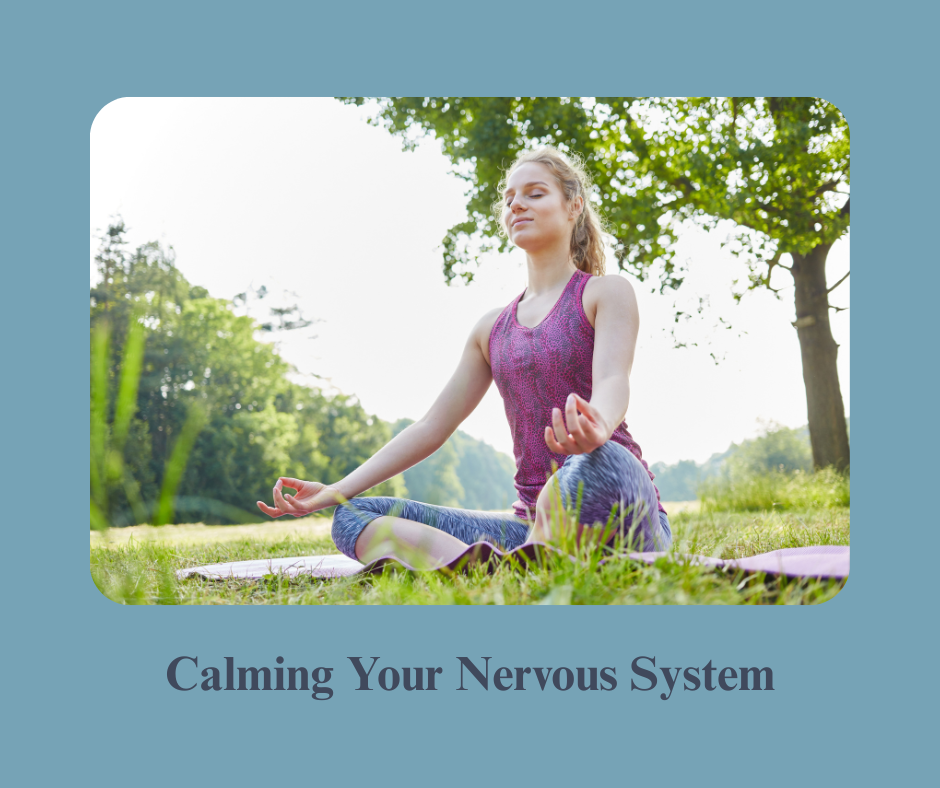
Healing doesn't mean you'll never be triggered again.
Instead, it means learning how to recognize triggers earlier and respond with greater awareness.
Some helpful strategies include:
Pause Before Reacting
When you notice a strong emotional response, give yourself permission to pause.
Take several slow breaths before responding.
Even a brief pause gives your thinking brain an opportunity to reconnect with your survival brain.
Name What You're Feeling
Research shows that putting emotions into words can reduce their intensity.
Try saying to yourself:
"I'm feeling anxious."
"I'm feeling rejected."
"I'm feeling overwhelmed."
Naming emotions helps create space between you and the reaction.
Ground Yourself in the Present
Remind yourself:
"I'm here."
"I'm safe."
"This is different from the past."
Simple grounding exercises can help bring your nervous system back into the present moment.
Notice five things you can see.
Four things you can touch.
Three things you can hear.
Two things you can smell.
One thing you can taste.
These exercises help your brain recognize that today's environment is different from the one that originally created the fear.
Practice Self-Compassion
Many trauma survivors criticize themselves after becoming triggered.
Instead of asking,
"What's wrong with me?"
Try asking,
"What happened to me that taught my brain to respond this way?"
That small shift can make a tremendous difference.
Healing begins with understanding, not judgment.
Healing Is Possible

Many people believe they'll always feel this reactive.
Thankfully, that's not true.
The brain has an incredible ability to change throughout life—a quality known as neuroplasticity.
As you begin to recognize patterns, practice new coping skills, and process painful experiences, your nervous system can gradually learn that it no longer has to stay on constant alert.
Healing isn't about erasing your past.
It's about helping your mind and body recognize that your past doesn't have to define your future.
Progress often happens one small step at a time.
When Professional Support Can Help
If trauma triggers are interfering with your relationships, work, sleep, or overall well-being, you don't have to navigate the healing process alone.
Working with a trauma-informed mental health professional can help you understand your emotional responses, develop healthier coping strategies, and safely process painful experiences at your own pace.
Therapy isn't about reliving every difficult memory. It's about helping your nervous system feel safer, building resilience, and creating new ways of responding to life's challenges.
Healing is possible—and it's never too late to begin.
Final Thoughts

If you've ever wondered why something seemingly small caused such a powerful emotional reaction, remember this:
Your brain isn't broken.
Your nervous system learned to protect you the best way it knew how.
The very responses that once helped you survive may now be showing up in situations where they're no longer needed.
With awareness, patience, self-compassion, and the right support, you can begin teaching your mind and body that the danger has passed.
Little by little, your reactions can become less overwhelming, your relationships can feel safer, and your confidence can grow.
Every step toward understanding yourself is a step toward healing.
About Dr. Patricia Grenelle
Dr. Patricia Grenelle is a psychologist, author, speaker, and advocate for trauma recovery. Through her writing and educational resources, she helps survivors better understand the lasting effects of childhood trauma, emotionally harmful family dynamics, and complex trauma while offering hope for healing, resilience, and personal growth.
Ready to learn more?
Visit Dr. Patricia Grenelle's website for additional articles, resources, speaking information, and her award-winning memoir, We Were a Nice, Normal Family..., which shares her personal journey of trauma and recovery. Healing begins with understanding—and every step forward matters.


Comments